Henley Sailing Club
Henley Sailing Club
The beginning: 1896–1903
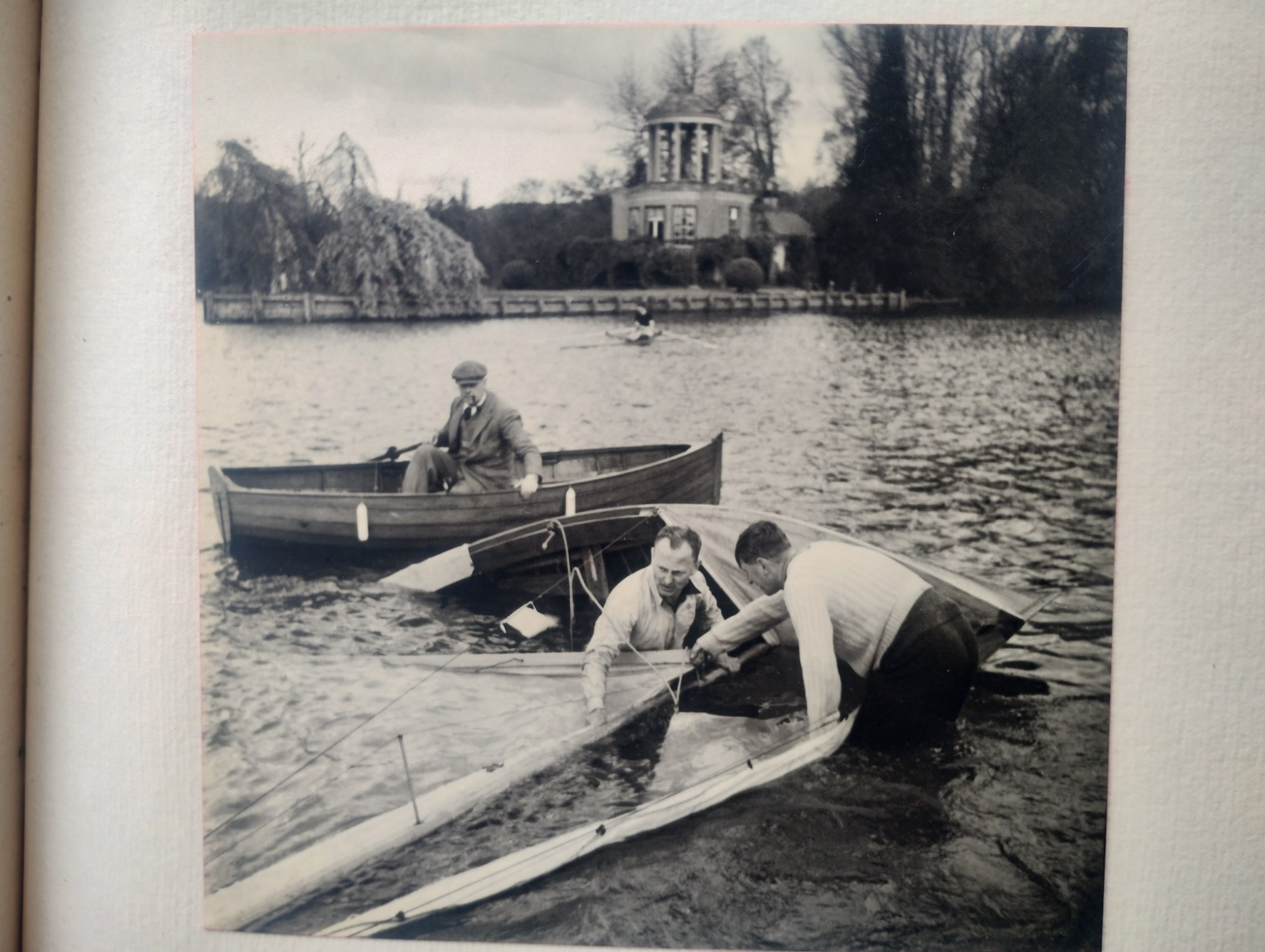
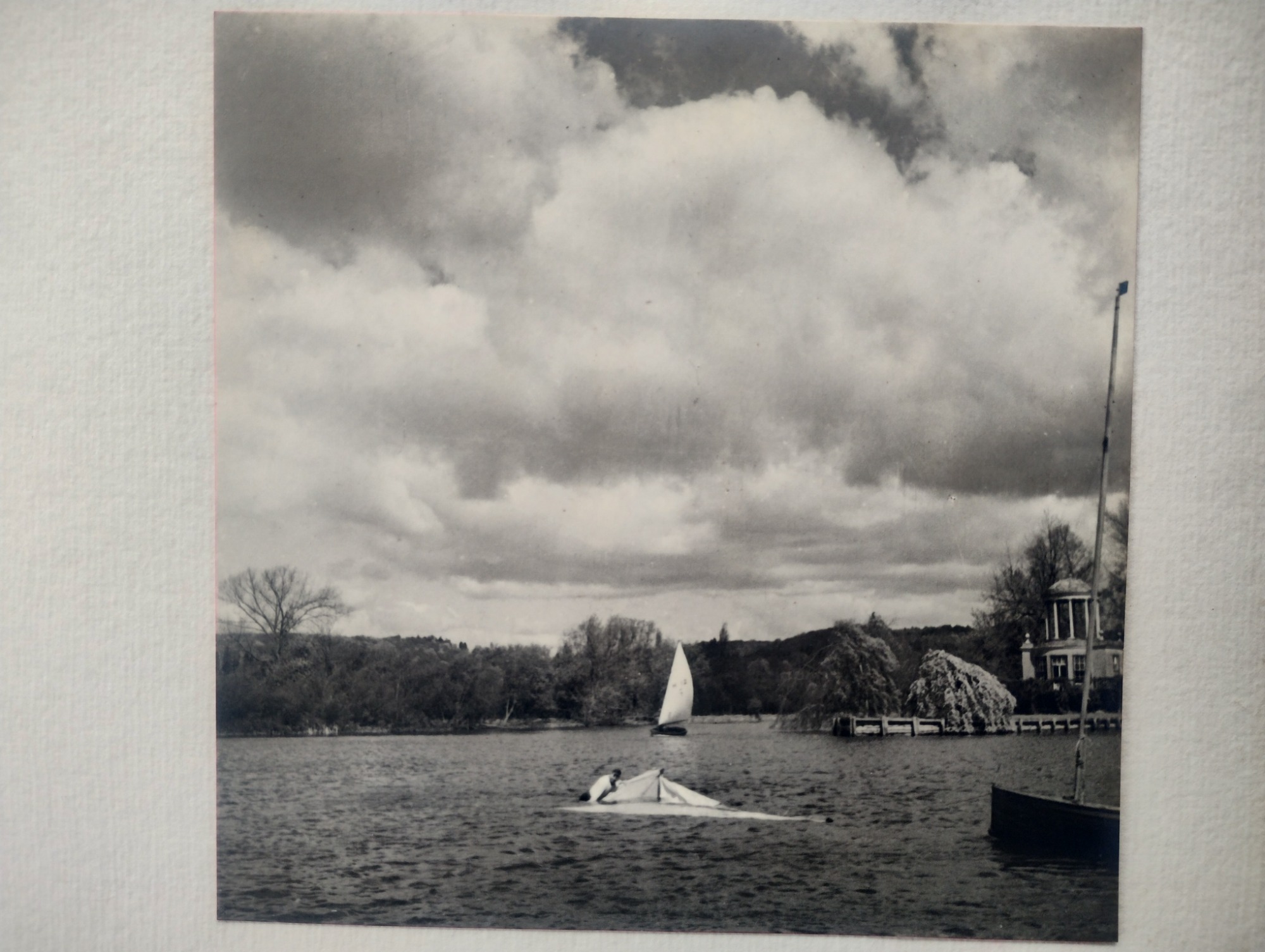
On Saturday 1 August 1896, at the suggestion of Dr W.H. Macpherson, a small group of gentlemen met at Cordery's Boat Yard in Shiplake and formed what they called the Henley and Shiplake Sailing Association. The club had 22 members by the end of its first year — all of whom owned and sailed their own boats.
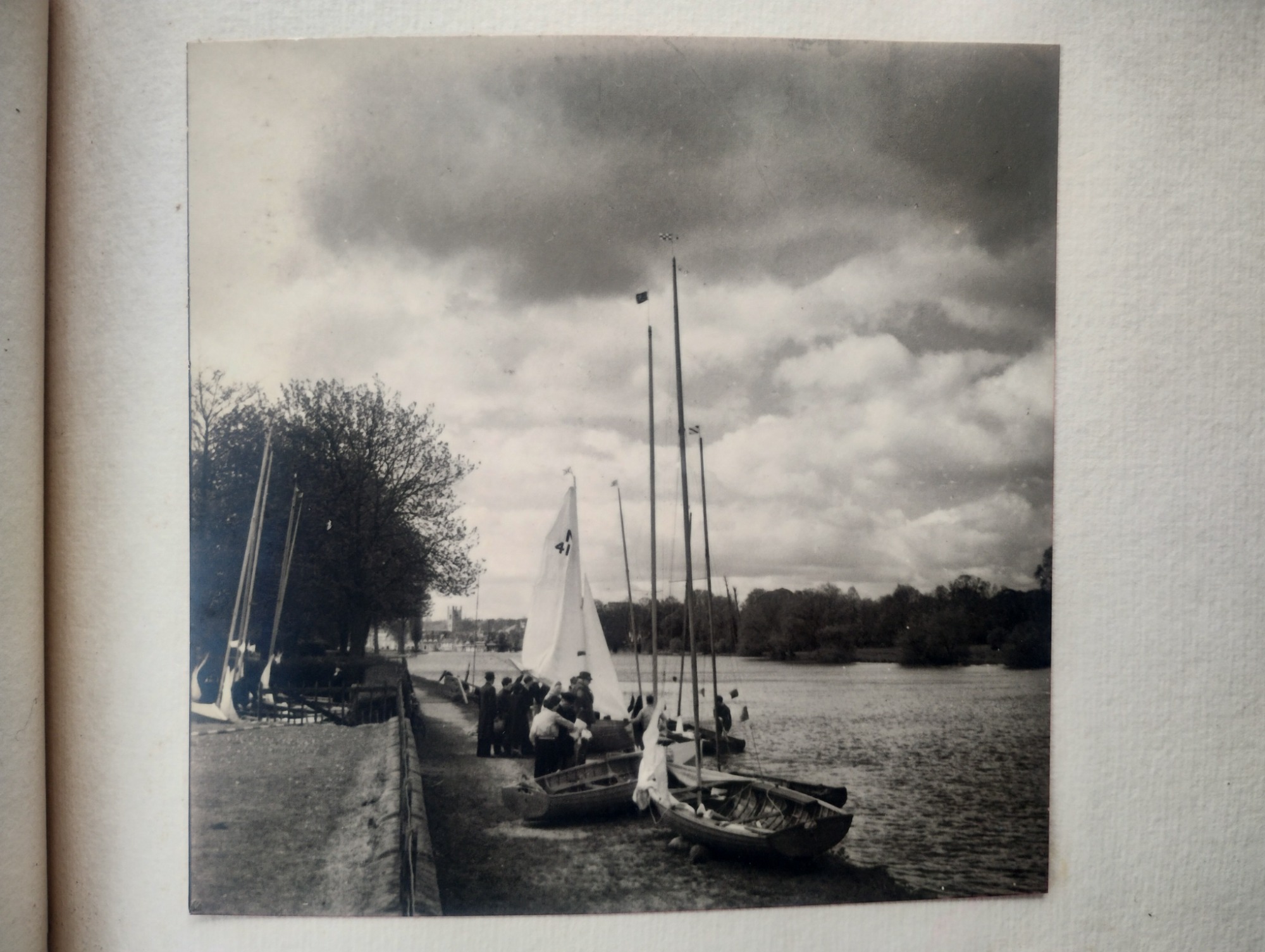
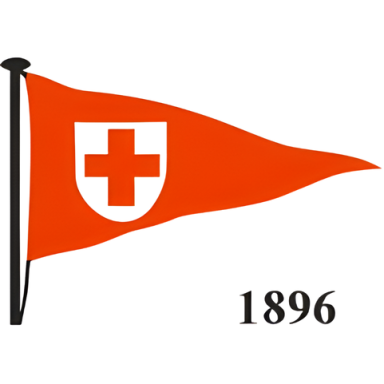
In 1897 the name changed to The Henley Sailing Club, the present club burgee was adopted (based on that of the then-defunct Erith Yacht Club), and the first Club Cup — presented by H.N. Chapman — was sailed for. The club was among the earliest in the country to adopt the dinghy as a racing boat, a decision that would shape its character for the next 130 years.
By 1899 the offices of Commodore and Vice-Commodore were created, with Messrs. H.N. Corsellis and Dr Macpherson as the first to hold them. The club joined the Sailing Boat Association and began a class of 12ft one-design dinghies built by Angier of Southend, which eventually grew to a fleet of sixteen boats.
Growth and setbacks: 1904–1932
In the early 1900s the clubhouse was erected — a pleasing wooden structure, the remains of which could still be seen in the club grounds for many years. The club was racing punts, 12 and 14-foot dinghies, and a mixed class of raters. In 1911 Dr Macpherson presented the club with the Macpherson Challenge Cup, the first of what would become a significant collection of trophies.
1914 brought disaster: seven of the club's 14ft dinghies were destroyed by fire on the shore at Shiplake. Shortly afterwards the First World War suspended the club's activities entirely, scattering its members in the service of their country. In 1919, sadly depleted in numbers, the members came together to rebuild. A new fleet of 14ft dinghies was ordered from Morgan Giles of Teignmouth and delivered in time for the following season.
In 1921 the clubhouse burnt to the ground, taking with it many valuable records and early mementos. A new building in brick and cement was erected and opened in June 1923. In 1928 the club made what proved to be one of its most significant decisions: adopting the International 14ft Dinghy class and ordering six boats from Uffa Fox of Cowes. The fleet quickly became one of the strongest in the country, bringing the club national recognition.
Between the wars and wartime: 1933–1947
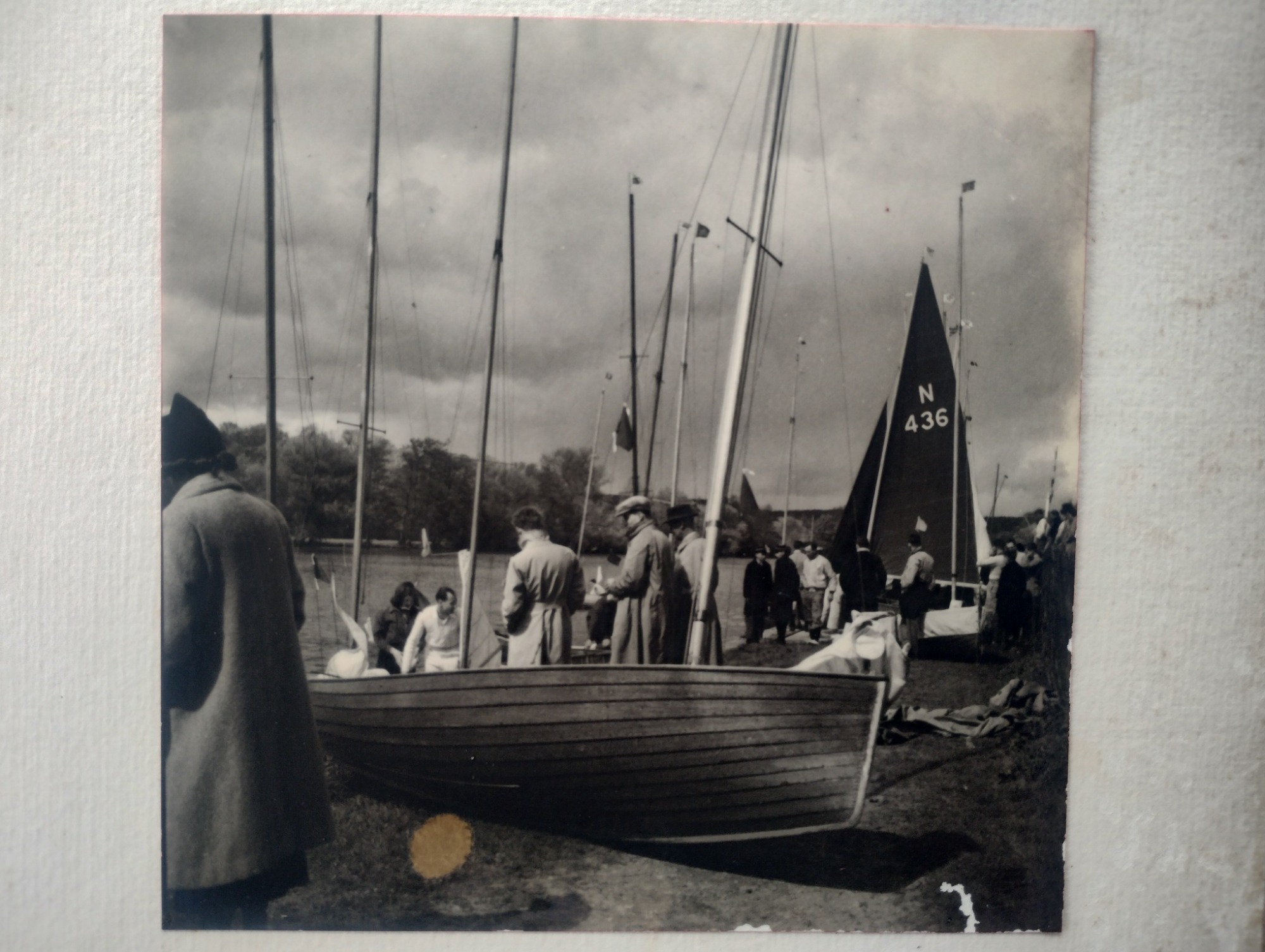
By 1933 sixteen International 14ft dinghies were in the hands of club members, some of whom were among the leading small-boat sailors in the country. That same year the club designed its own Henley 12ft Dinghy class — a faster, more affordable boat that proved immediately popular. A vacant plot next to the club premises was also acquired, more than doubling the area of the grounds.
The Second World War again suspended formal racing, though the club kept some activity going throughout. In 1946, to mark the club's fiftieth anniversary, the Henley Jubilee Bowl was presented for open competition — one of the few meetings in the country to see the new Merlin-Rocket class race. The postwar years also saw the introduction of the Firefly class and a gradual broadening of the club's racing fleet.
The modern club takes shape: 1948–1978
The postwar decades saw steady investment in the clubhouse and grounds. Changing rooms and a sail store were created from the remains of the original building. A concrete launching slip was laid. In 1957 the National Enterprise dinghy was introduced to the club — cheaper than the International 14ft and more accessible to newcomers — and by 1961 there were 39 Enterprises in the fleet alongside 28 National 12s and Fireflies.
The 1961–62 winter brought major improvements to the clubhouse, including the installation of a bar. In 1962 the club purchased a large plot of ground between the backwater and Willow Lane, half of which was turned into car parking, with a footbridge built over the backwater. Racing continued to thrive: in 1978 the club arranged 196 races, attracting 1,223 entries.
Adapting and consolidating: 1979–1999
The 1980s were a period of consolidation rather than expansion. Saturday racing declined and was eventually abandoned in 1985. The Portsmouth Yardstick scheme was adopted in 1988 to allow a wider variety of boats to race together fairly — a system the club still uses today. Ongoing maintenance and refurbishment of the clubhouse continued throughout the decade.
The 1990s brought the Summer Ball, Christmas Lunches, and a renewed sense of the social side of club life alongside the sailing. The centenary year of 1996 was marked with a Lottery Fund grant, a Centenary Ball attended by 160 people on the lawns, and a Centenary Day with activities on and off the water. Vintage International 14s joined the Henley fleet for a special centenary trophy race.
Into the 21st century: 2000 onwards
The club entered the 21st century with its own website, launched in 2000. Serious flooding at the end of that season sank the safety boat at her mooring and washed five dinghies from the lawns. The club rebuilt, as it always has.
In 2003 the committee decided to entrust the club's archive — photographs, records and early memorabilia — to the River and Rowing Museum at Henley for safekeeping. The museum gave the club space in their exhibition hall to display items of interest to visitors.
Today the club continues as it has since 1896: a small, member-run sailing club on one of the most beautiful stretches of the Thames, with racing on Sundays and Wednesday evenings, an active junior section, and a social calendar that keeps people coming back long after they've hung up their sailing gear.
We need your consent to load the translations
We use a third-party service to translate the website content that may collect data about your activity. Please review the details in the privacy policy and accept the service to view the translations.